Call: (916) 604-4967
24/7 Emergency Plumbing Services
Your Home Deserves Expert Care
When plumbing problems strike, you need professionals you can count on, and that's exactly what you'll get with Roto-Rooter. Our plumbing technicians don't just meet expectations; they exceed them with a level of professionalism and expertise that sets us apart from ordinary plumbers.
From the moment you call, you will experience the Roto-Rooter difference. A highly trained expert will arrive at your door in a fully stocked van, equipped with professional-grade tools and equipment to solve any plumbing challenge your home throws our way. We treat every home as if it were our own, completing each job with meticulous care and attention to detail. It's this unwavering commitment to excellence that has earned the trust of millions of homeowners since 1935.
What Sets Us Apart:
Professional presentation – Uniformed, badged technicians who take pride in their work
Easy to identify – Clearly branded vehicles so you always know help has arrived
Comprehensive expertise – Complete mastery of all plumbing and drainage services
Peace of mind – Fully licensed and insured for your protection
Always available – True 24/7 emergency service, every single day
Whether it's a leaky faucet on a Tuesday afternoon or a plumbing emergency at 2 AM on Christmas morning, Roto-Rooter is standing by with world-class service that gets the job done right—the first time, every single time.

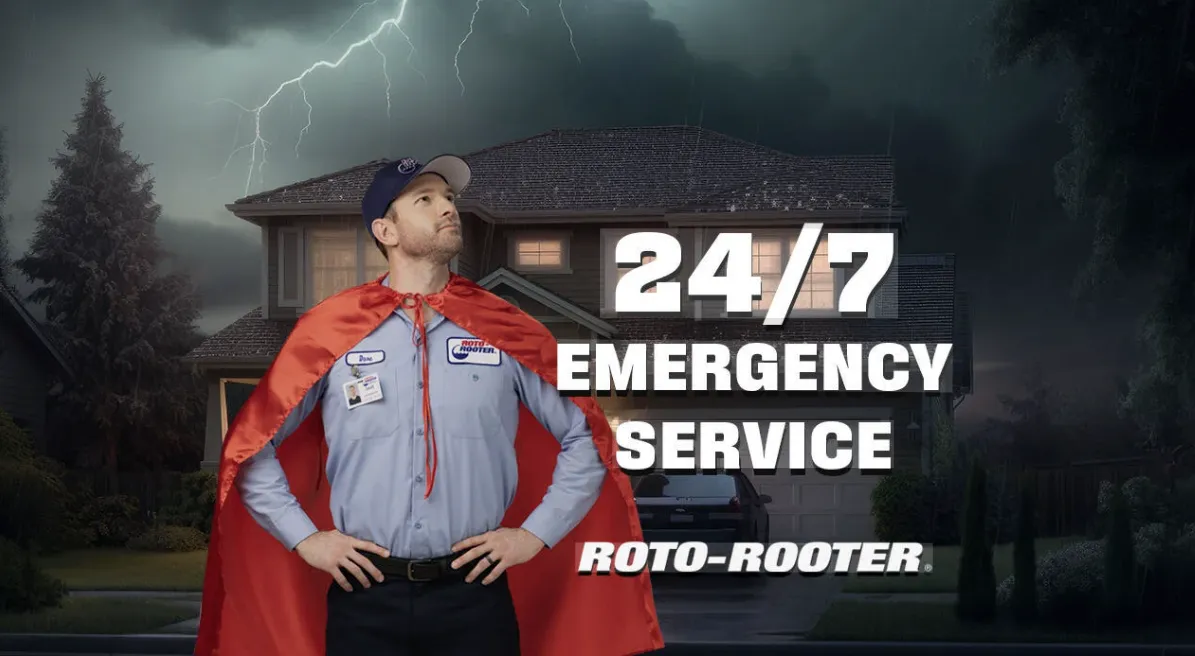
Emergency Plumbing Services
A plumbing disaster doesn't wait for business hours. When water's gushing, sewage is backing up, or your home is flooding—you need help NOW. That's why Roto-Rooter never closes. Day or night, weekend or holiday, we're answering calls and dispatching licensed plumbers who arrive ready to stop the damage and restore your peace of mind.
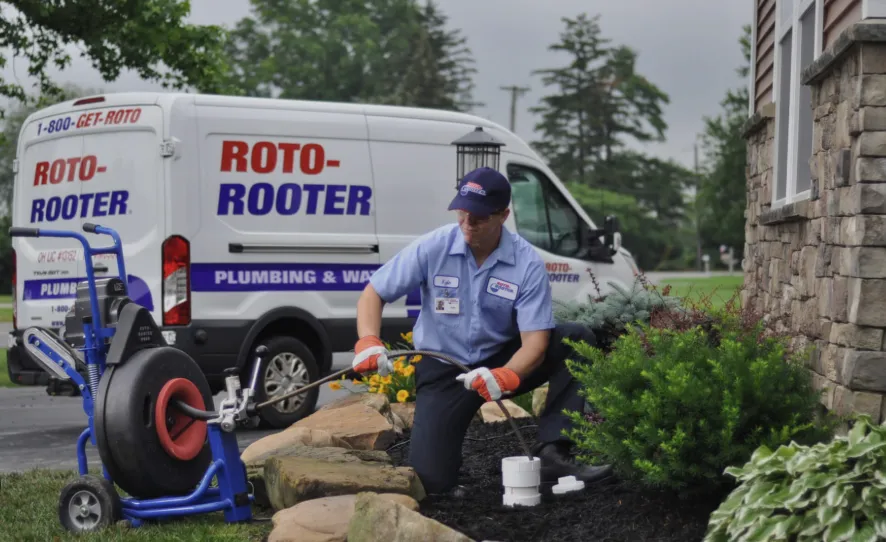
Residential Plumbing Services
And Away Go Troubles Down the Drain!
That familiar jingle isn't just catchy—it's a promise. Since 1935, Roto-Rooter has been North America's most trusted name in residential plumbing and drain service. Millions of homeowners count on us to solve everything from annoying drips to full-blown plumbing disasters, and we deliver every single time.
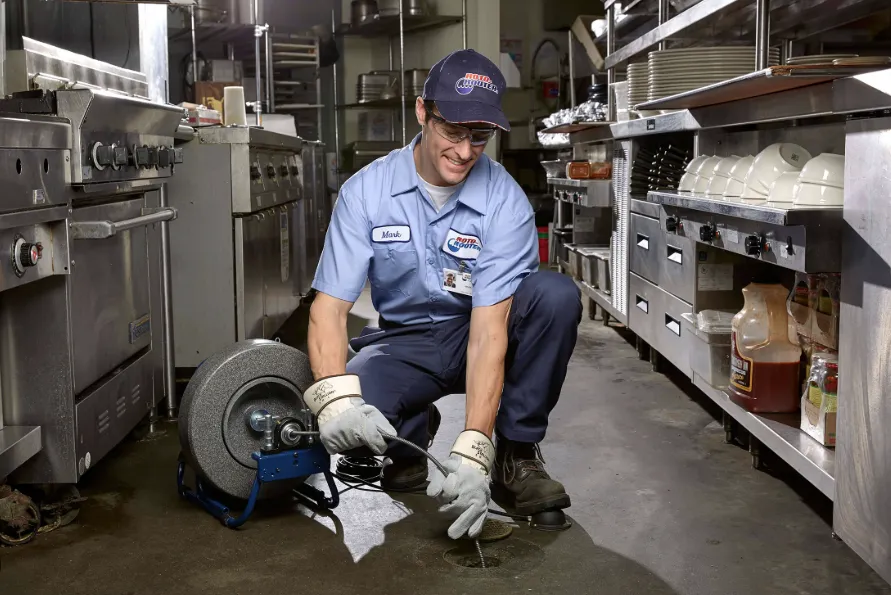
Commercial Plumbing
When Downtime Isn't an Option, Choose the Pros Businesses Trust
In the world of business, plumbing problems don't just inconvenience—they cost money, disrupt operations, and damage your reputation. You need more than a quick patch job; you need a plumbing partner who understands what's at stake.
Since 1935, Roto-Rooter has been that partner for businesses across North America. As the only truly national commercial plumbing provider, we combine local expertise with enterprise-level capabilities to serve single locations and multi-site operations alike.
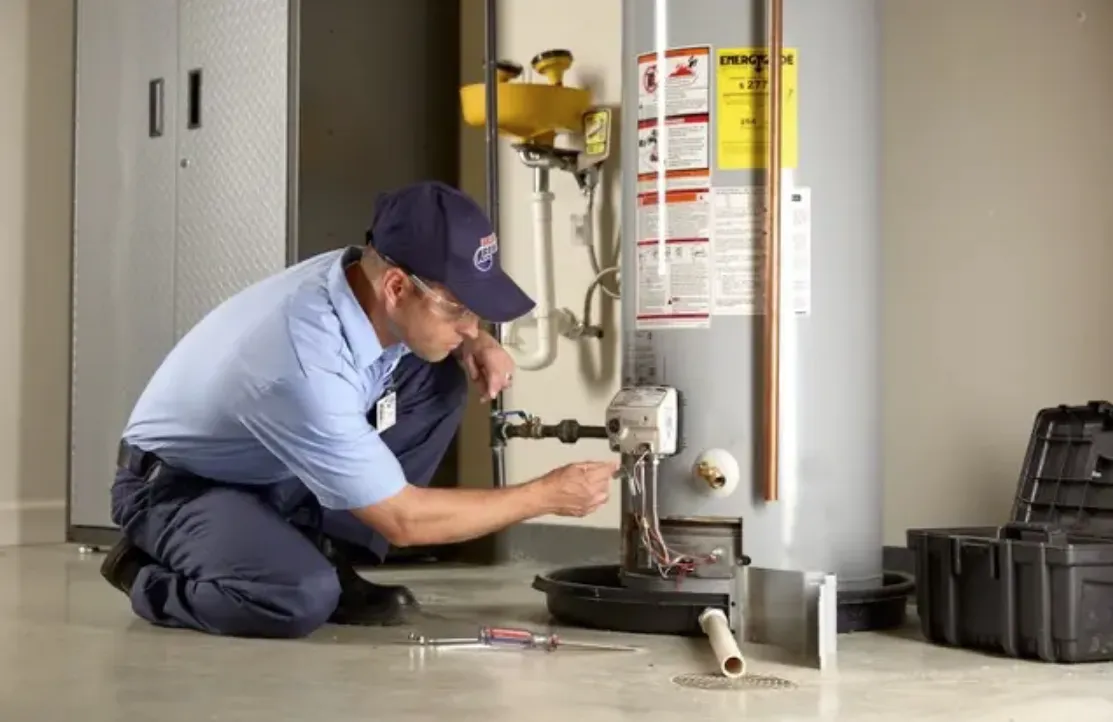
Water Heater Repair & Replacement – Hot Water Restored Fast
When the Hot Water Stops, Life Stops
Cold showers. Dishwashers that won't clean. Washing machines that can't rinse properly. For businesses, it's even worse—restaurants can't operate, hotels face guest complaints, and facilities risk health code violations.
Water Filtration - Sales, Repair, Replacement & Installation
Better Living Through Better Water
You trust the water flowing from your taps—but should you?
Municipal water treatment removes many contaminants, but dangerous substances still make it through: lead from aging pipes, PFAS "forever chemicals" that never break down, parasitic cysts that survive chlorination, chlorine itself affecting taste and odor, heavy metals, sediment, and dozens of other contaminants you can't see, smell, or taste.
FAQS
Master Plumbers vs. Regular Plumbers – Why Expertise Matters
Should You Hire a Master Plumber?
Master Plumbers vs. Regular Plumbers – Why Expertise Matters
Should You Hire a Master Plumber? Absolutely. Here's Why.
Not all plumbers are created equal. When it comes to your home's plumbing system—one of its most critical and expensive components—the difference between a master plumber and an unlicensed handyman can mean the difference between a job done right and a costly disaster.
Hiring a licensed master plumber isn't just about peace of mind—it's about getting superior expertise, guaranteed quality, and protection for your most valuable investment.
What Makes a Master Plumber Different?
Years of Training & Experience
Becoming a master plumber isn't quick or easy. It requires:
Minimum 7+ years of hands-on experience working on real plumbing systems in real homes and businesses
Completion of rigorous apprenticeship programs learning from seasoned professionals
Technical education in plumbing theory, codes, and advanced techniques
Passing comprehensive licensing exams demonstrating mastery of complex plumbing systems
Continuous education to stay current with evolving codes, materials, and technologies
Most plumbers start as apprentices, working under supervision while learning the trade. After several years and completing requirements, they advance to journeyman plumber status. Only after additional years of proven experience and passing advanced examinations do they earn the master plumber designation—the highest level of professional plumbing certification.
Code Compliance & Legal Protection
Master plumbers don't guess—they know. They're intimately familiar with:
Local building codes and regulations
Proper installation standards and specifications
Safety requirements and best practices
Permit requirements and inspection procedures
This expertise ensures every repair and installation meets legal requirements and passes inspection the first time. No code violations. No failed inspections. No costly do-overs.
Quality Assurance & Supervision
Master plumbers don't just perform work—they oversee it. They:
Supervise apprentices and journeymen to ensure quality standards
Conduct final inspections before completion
Approve work before it's considered finished
Guarantee results meet professional standards
You're not just getting one expert—you're getting expert oversight of the entire project.
The Hidden Risks of Hiring Unlicensed Plumbers
Short-Term Savings, Long-Term Costs
That unlicensed handyman might charge less upfront, but consider the risks:
Code Violations – Work that doesn't meet local codes must be torn out and redone by a licensed professional. You pay twice for the same job.
Failed Inspections – Unpermitted or non-compliant work discovered during home sales, refinancing, or insurance claims can halt transactions and cost thousands to correct.
Warranty Voids – Improper installation can void manufacturer warranties on expensive fixtures, appliances, and water heaters.
Property Damage – A small mistake in a water line, gas connection, or sewer pipe can cause catastrophic flooding, gas leaks, or structural damage.
No Recourse – Unlicensed workers typically aren't insured. If something goes wrong, you have little legal recourse and no insurance protection.
Safety Hazards – Improper gas line work, cross-connections, or venting creates life-threatening dangers that may not be immediately apparent.
Is saving a few hundred dollars worth risking thousands in repairs, potential property damage, or safety hazards?
The Roto-Rooter Master Plumber Advantage
When you hire Roto-Rooter, you get master plumbers backed by nearly 90 years of trusted service:
✓ Licensed & Certified – Every technician meets rigorous licensing requirements and holds current certifications
✓ Extensively Trained – Ongoing professional education ensures our plumbers stay current with the latest techniques and technologies
✓ Fully Insured – Comprehensive insurance protects you, your home, and your investment
✓ Guaranteed Work – We stand behind every job with warranties and guarantees—if it's not right, we make it right
✓ Code Compliant – All work meets or exceeds local building codes and passes inspections
✓ Professional Standards – Our master plumbers supervise all work, ensuring quality from start to finish
✓ Transparent Pricing – Upfront estimates with no hidden fees or surprise charges
Your Home Deserves Master-Level Expertise
Your plumbing system is too important to trust to just anyone. Whether you need a simple faucet repair or a complete plumbing system installation, the expertise of a licensed master plumber ensures:
Work done right the first time
Code compliance and legal protection
Long-lasting, reliable results
Safety for your family and home
Peace of mind knowing professionals handled your project
Don't gamble with your home's plumbing. Choose the proven expertise of Roto-Rooter's master plumbers.
Call today and experience the difference that professional licensing, extensive training, and guaranteed quality make.
Commercial Drain Maintenance: Why Hydro Jetting Beats Snaking
Question: I own a small shopping center with two restaurants. I have the lines snaked every three months. Should I switch to hydro jetting, and will my drains stay clean longer?
Why Snaking Falls Short for Commercial Kitchens
If you're snaking your restaurant drain lines every three months, you're treating the symptom, not solving the problem. Here's what's really happening:
Snakes Poke Holes, They Don't Clean
Mechanical drain snakes punch through grease clogs and food debris, temporarily restoring flow. But they leave most of the buildup clinging to your pipe walls. Within weeks, grease accumulates again on top of the existing layer, and you're back to slow drains and emergency calls.
Think of it like shoveling a path through deep snow versus plowing the entire driveway clean. The path works for now—but it's not a real solution.
Restaurant Grease Is Relentless
Commercial kitchens generate massive amounts of fats, oils, and grease (FOG) that solidify as they cool in your drain lines. Add food particles, soap residue, and years of buildup, and you have rock-hard deposits that snakes can't remove—they can only penetrate.
That's why you're calling for service every three months. The problem never actually gets solved.
How Hydro Jetting Delivers Superior, Longer-Lasting Results
Hydro jetting doesn't just clear blockages—it completely cleans your pipes. Here's the difference:
Total Pipe Cleaning, Not Just Hole-Punching
High-pressure water (typically 3,000-4,000 PSI for commercial applications) scours the entire interior diameter of your pipes. Specialized nozzles spray water in all directions—forward to cut through obstructions, and backward/sideways to scrub pipe walls clean.
The result? Pipes cleaned down to bare metal or PVC—not just a small opening through the center of a grease blockage.
Removes What Snakes Can't Touch
Hydro jetting obliterates:
Hardened grease and FOG deposits
Food waste and organic debris
Mineral scale and soap buildup
Sludge that mechanical cables push aside
Biofilm and bacterial growth
Everything gets blasted loose and flushed away—leaving nothing behind for new buildup to cling to.
You'll Clean Less Often, Save More Money
Because hydro jetting removes buildup completely rather than just punching through it, your drains stay clear 3-4 times longer than with snaking alone.
Your current schedule: Snaking every 3 months = 4+ service calls per year
With hydro jetting: Annual or semi-annual jetting = 1-2 service calls per year
Yes, hydro jetting costs more per service than snaking—but you need it far less frequently. Most commercial property owners see 30-50% cost reduction in annual drain maintenance after switching to hydro jetting.
Prevents Emergency Backups
Restaurant backups don't happen during slow Tuesday lunches—they happen during Friday dinner rush when your kitchen is slammed. Hydro jetting dramatically reduces the risk of these business-killing emergencies by keeping lines truly clear.
Eco-Friendly & Chemical-Free
Hydro jetting uses only pressurized water—no harsh chemicals that damage pipes, harm the environment, or create safety concerns for your staff.
Take It Further: Enzyme Treatments for Maximum Protection
Want to extend the time between jetting services even more? Combine hydro jetting with automated enzyme treatments.
How Enzyme Treatments Work
Products like Roto-Rooter Pipe Shield® and Drain and Grease Trap Treatment contain specialized enzymes and beneficial bacteria that:
Digest FOG continuously – Enzymes break down grease, converting it from solid deposits into liquid that washes harmlessly away
Prevent buildup between cleanings – Regular treatment keeps pipes clearer longer
Reduce odors – By eliminating decomposing organic matter
Protect your investment – Maintain the clean pipes hydro jetting delivers
Automatic Injection Systems
We can install automated dosing systems that inject enzyme treatments into your drain lines daily or weekly—no staff involvement required. Set it and forget it while enzymes work 24/7 to keep your drains flowing.
This is especially valuable for restaurants where grease generation is constant and inevitable.
The Smart Maintenance Strategy for Your Shopping Center
Here's what we recommend for properties with multiple restaurants:
1. Start with Professional Hydro Jetting
Get all drain lines thoroughly cleaned, removing years of accumulated buildup.
2. Implement Enzyme Treatment Program
Install automatic dosing systems or establish regular manual treatment schedules to prevent new buildup.
3. Schedule Preventive Hydro Jetting Annually or Semi-Annually
Based on your specific usage and grease generation, maintain truly clean pipes with periodic jetting—not emergency calls.
4. Video Inspection Before & After
See exactly what was removed and verify your pipes are completely clean. Documentation also helps identify any structural issues before they become emergencies.
The Bottom Line for Commercial Property Owners
Stop treating symptoms. Start solving the problem.
Snaking every three months is expensive, disruptive, and ultimately ineffective. You're spending more money for inferior results and living with the constant risk of backup emergencies that can shut down your tenants' businesses.
Hydro jetting provides: ✓ Thorough, long-lasting cleaning
✓ Fewer service calls and lower annual costs
✓ Reduced emergency backup risk
✓ Extended drain system lifespan
✓ Happier tenants with fewer disruptions
Combined with enzyme maintenance treatments, you'll have the most cost-effective, reliable drain maintenance program possible.
Ready to Stop the Three-Month Cycle?
Let Roto-Rooter assess your shopping center's drain system, recommend the right hydro jetting and enzyme treatment program, and put you on a maintenance schedule that actually works.
Call today for a free commercial drain assessment and discover how much you could be saving.
Your tenants—and your bottom line—will thank you.
What's the Difference Between Hard Water vs. Soft Water?
If you've noticed white residue on faucets, soap that won't lather, dingy laundry, or spots on dishes, you're likely dealing with hard water. Understanding the difference between hard and soft water—and how each affects your home, appliances, and daily life—can save you money, frustration, and countless hours of extra cleaning.
What Is Hard Water?
Nature's Mineral Collection
Water in its pure form is naturally soft, containing only hydrogen and oxygen. But as rainwater soaks through soil and percolates through underground rock formations—particularly limestone, chalk, and gypsum—it dissolves and collects minerals along the way.
The primary culprits? Calcium and magnesium.
The higher the concentration of these dissolved minerals, the "harder" your water becomes. Water hardness is measured in grains per gallon (GPG) or parts per million (PPM):
Soft water: 0-3.5 GPG (0-60 PPM)
Moderately hard: 3.5-7 GPG (61-120 PPM)
Hard water: 7-10.5 GPG (121-180 PPM)
Very hard water: 10.5+ GPG (181+ PPM)
Most municipal and well water systems in the United States deliver moderately hard to very hard water. In fact, 85% of American homes have hard water to some degree.
What Is Soft Water?
Mineral-Free or Mineral-Reduced Water
Soft water contains little to no calcium, magnesium, or other hardness minerals. This occurs in two ways:
Naturally Soft Water
Some geographic regions have naturally soft water because local geology doesn't contain the limestone and mineral deposits that create hardness. Coastal areas, regions with granite bedrock, and areas with sandy soil often have naturally softer water.
Treated Soft Water
Most soft water is created through water softening systems that remove hardness minerals through an ion exchange process. A water softener replaces calcium and magnesium ions with sodium or potassium ions, effectively eliminating the problems hard water causes.
Hard Water vs. Soft Water – The Real-World Impact
For Drinking & Taste
Hard Water Wins for Drinking
The minerals in hard water aren't just harmless—they're actually beneficial. Calcium and magnesium contribute to your daily mineral intake and support bone health, cardiovascular function, and overall wellness.
Taste-wise, hard water typically tastes crisp and clean because of its mineral content. Many people prefer it over soft water.
Soft Water Considerations
Naturally soft water tastes clean and neutral. However, artificially softened water often tastes slightly salty due to the sodium added during the ion exchange process. While safe for most people, those on sodium-restricted diets may want to:
Install a bypass for drinking water taps
Use potassium-based softening systems instead of sodium
Install a reverse osmosis system for drinking water
For Cleaning & Household Tasks, Soft Water Delivers Superior Cleaning
Soap & Detergent Performance
Soft water allows soap and detergents to lather fully and work effectively. You'll use 50-75% less soap, shampoo, and detergent because they aren't fighting mineral content to create suds.
Sparkling Dishes & Glassware
No more water spots, cloudy glasses, or white film on dishes. Soft water rinses completely clean, leaving nothing behind.
Brighter, Softer Laundry
Clothes washed in soft water stay vibrant, feel softer, and last longer. Hard water minerals get trapped in fabric fibers, making clothes feel stiff, look dingy, and wear out faster.
Soap Scum-Free Bathrooms
That stubborn white buildup on shower doors, tubs, and tile? That's hard water deposits. Soft water eliminates soap scum entirely—meaning dramatically less bathroom cleaning.
Softer Skin & Hair
Hard water leaves mineral residue on your skin and hair, making them feel dry and rough. Soft water rinses completely clean, leaving skin feeling smoother and hair softer and shinier.
Hard Water Creates Extra Work
Every surface that contacts hard water becomes a battleground:
Shower doors covered in white film
Faucets with crusty mineral deposits
Bathtubs with soap scum rings
Sinks with stubborn stains
Tile grout that discolors over time
You'll spend significantly more time cleaning—and use more cleaning products—just to keep up with hard water's effects.
For Appliances & Plumbing
Soft Water Protects Your Investment
Extended Appliance Lifespan
Hard water is an appliance killer. Mineral deposits accumulate inside:
Water heaters – Scale buildup on heating elements forces them to work harder, reducing efficiency by up to 48% and shortening lifespan by years
Dishwashers – Mineral deposits clog spray arms, reduce cleaning performance, and damage pumps
Washing machines – Scale accumulates in drums, hoses, and valves, causing breakdowns and reducing efficiency
Coffee makers – Hard water clogs internal components and affects taste
Ice makers – Mineral buildup reduces ice production and quality
Studies show that appliances using soft water last 30-50% longer than those battling hard water.
Lower Energy Bills
When mineral scale coats water heater elements and builds up inside pipes, your systems work harder to heat and move water. Homes with water softeners typically see:
22-29% reduction in water heating costs
Lower electricity usage for appliances
Reduced natural gas consumption for gas water heaters
Over time, energy savings alone can offset water softener costs.
Plumbing System Protection
Hard water doesn't just affect what you can see—it's silently damaging your pipes:
Scale buildup inside pipes restricts water flow
Reduced water pressure throughout your home
Corrosion accelerates in certain pipe materials
Premature pipe failure requiring expensive replacement
Galvanized steel pipes and older copper pipes are particularly vulnerable. Severe hard water can reduce pipe diameter by 50% or more over time, necessitating complete repiping—a project costing $4,000-$15,000 or more.
Hard Water's Hidden Costs
Even if you tolerate the cleaning hassles and aesthetic issues, hard water costs you money:
Higher utility bills from inefficient appliances
Premature appliance replacement
Excessive soap, detergent, and cleaning product purchases
Plumbing repairs and eventual pipe replacement
Clothes that wear out faster
Professional cleaning services for mineral deposit removal
Is Hard Water Unhealthy or Harmful?
The Short Answer: No—Hard Water Is Safe
Despite the problems hard water causes around your home, it poses no health risks when consumed. In fact:
Health Benefits of Hard Water Minerals
Calcium supports bone health, muscle function, and cardiovascular health
Magnesium aids in nerve function, blood pressure regulation, and hundreds of biochemical reactions
Drinking hard water contributes to your daily mineral intake
The World Health Organization recognizes that hard water provides dietary calcium and magnesium, and some studies suggest hard water consumption may correlate with reduced cardiovascular disease risk.
The Real Problems Are Practical, Not Medical
Hard water's issues are entirely about:
Convenience – Extra cleaning and maintenance
Costs – Higher energy bills and appliance replacement
Aesthetics – Spots, stains, and buildup
Efficiency – Reduced appliance and plumbing performance
The mineral scale left behind is completely harmless if consumed. It's unsightly and problematic for your home systems, but it won't hurt you.
When Should You Consider Water Softening?
You'll benefit most from a water softener if you're experiencing:
✓ Persistent white residue on faucets, fixtures, and shower doors
✓ Soap that won't lather properly
✓ Dingy, stiff laundry even after washing
✓ Spotted dishes and glassware
✓ Dry skin and hair after showering
✓ Frequent appliance repairs or replacements
✓ High energy bills from water heating
✓ Low water pressure from mineral buildup in pipes
✓ Excessive time spent cleaning mineral deposits
Not Sure How Hard Your Water Is?
Roto-Rooter can test your water hardness and help you determine whether a water softening system makes sense for your home. We'll assess your specific situation, explain your options, and provide honest recommendations—no pressure, just expertise.
The Bottom Line
Hard water is safe but problematic. Soft water is efficient and convenient.
While hard water won't harm your health, it quietly costs you money through higher energy bills, shortened appliance life, excessive cleaning product use, and eventual plumbing damage. Soft water eliminates these issues, paying for itself over time through savings and convenience.
Ready to stop fighting mineral deposits and start enjoying truly clean water?
Contact Roto-Rooter for a free water hardness test and expert consultation on water softening solutions tailored to your home's needs.
Your appliances, your wallet, and your free time will thank you.